
40-Gallon Gas Water Heater Installation in San Juan Capistrano: Signs It’s Time to Replace Yours and What the Process Looks Like
Updated: Apr 23

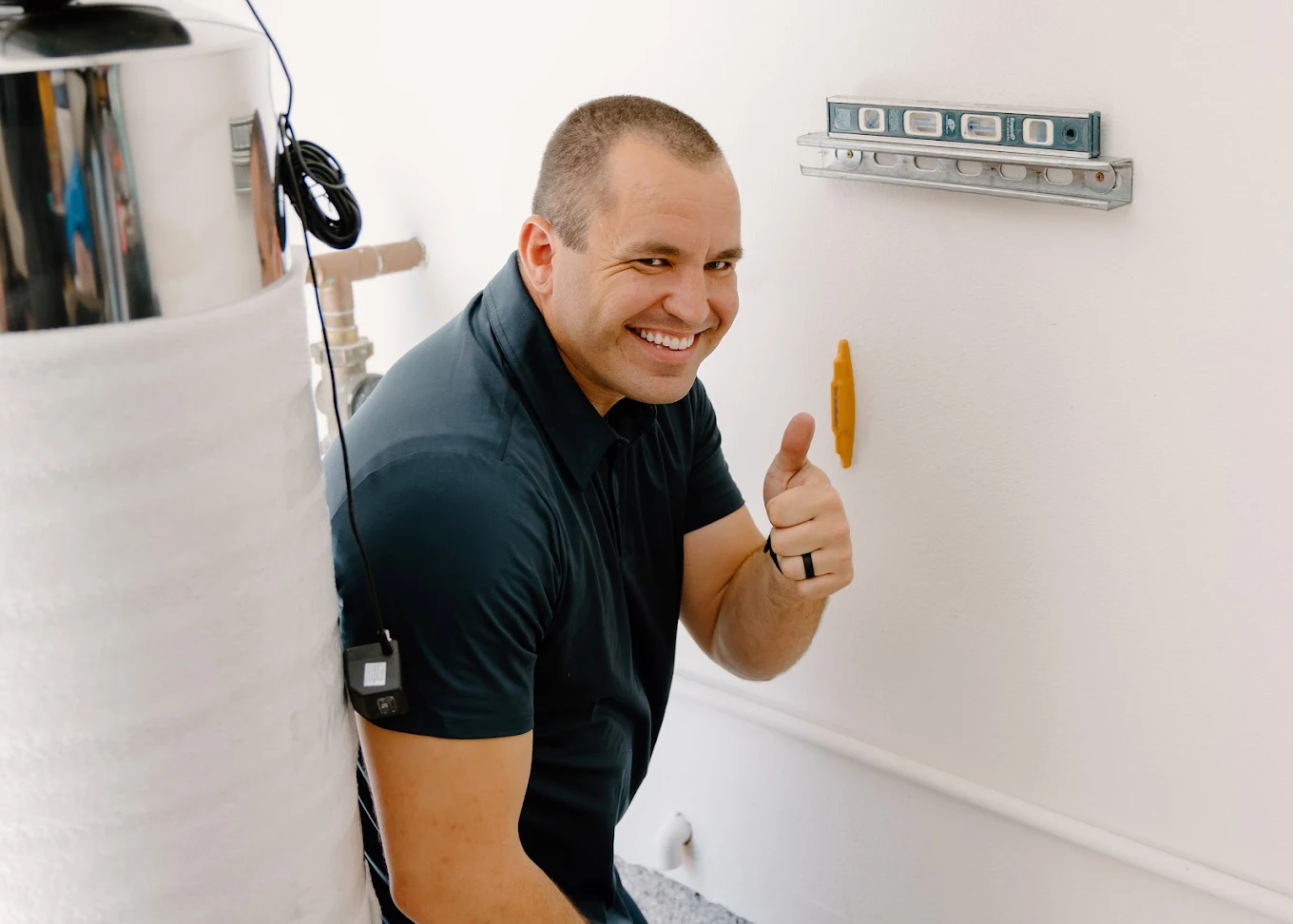
We recently (April 2026) completed a water heater replacement for a homeowner in San Juan Capistrano. The existing tank-style unit had reached the end of its reliable service life, and the family was dealing with inconsistent hot water and rising energy bills. We removed the old heater and installed a new 40-gallon natural gas model, restoring dependable hot water and improving efficiency.
If you live in San Juan or anywhere in South Orange County, you may be wondering whether your own water heater is still doing its job, or if it’s time to consider an upgrade. We'll walk through the common signs that replacement is needed, what a 40-gallon gas water heater actually offers, and what a professional installation looks like. We’ll also cover when upgrading to a tankless system might be worth considering.
Why Water Heaters Fail Sooner in South OC
Orange County water is moderately hard (typically 8–19 grains per gallon). Over time, minerals build up inside the tank, forming scale on the heating element and the bottom of the tank. This forces the heater to work harder, increases energy use, and shortens its lifespan.
Most standard 40- to 50-gallon gas water heaters are designed to last 8–12 years. In our area, many units start showing problems around year 10 because of hard water and the fact that many homes have heaters in garages or utility rooms exposed to temperature swings.
Common Signs Your Water Heater Needs Replacement
Here are the most reliable indicators we see in San Juan Capistrano homes:
Water is lukewarm even when the thermostat is turned all the way up
You run out of hot water faster than you used to
Rusty or discolored hot water coming from the taps
Rumbling, popping, or banging noises from the tank
Visible leaks or pooling water around the base of the unit
Energy bills are creeping up with no change in household usage
The unit is 10+ years old and is showing any of the above symptoms
If you notice two or more of these, it’s worth having a professional evaluate it.
What a 40-Gallon Gas Water Heater Actually Offers
A 40-gallon gas model remains one of the most practical choices for many South OC households. It stores enough hot water for 3–5 people under normal use and recovers fairly quickly after a shower or bath. Modern 40-gallon units have better insulation, improved safety features, and higher efficiency ratings than older models.
In the San Juan Capistrano job we completed, the new unit provided noticeably more consistent hot water and ran more quietly than the old one.
When the Current Unit Is Near End of Life: Is Upgrading to Tankless Worth It?
If your existing tank-style water heater is 10–12 years old and showing signs of failure, this is the natural time to ask whether you should stay with a similar tank model or upgrade to a tankless system.
Key Benefits of Switching to Tankless
Endless hot water — No more running out during back-to-back showers or when the kids are bathing.
Space savings — Tankless units are wall-mounted and compact, freeing up floor space in garages or utility rooms.
Energy efficiency — They only heat water when you need it, which can lower monthly gas bills (especially in homes with moderate to high hot-water usage).
Longer lifespan — Quality tankless units often last 15–20+ years with proper maintenance.
Lower risk of leaks — No large tank of stored water means less chance of a catastrophic flood if the unit fails.
When a Tankless Upgrade Makes the Most Sense
Your household uses a lot of hot water (multiple bathrooms, large family, frequent laundry).
You want to save space or improve energy efficiency.
You’re already replacing the unit and the existing gas line, and venting can support a tankless model.
You’re comfortable with the higher upfront cost (usually $1,800–$3,500 installed vs. $1,200–$2,000 for a new 40-gallon tank).
When Staying with a Tank May Be Better
Lower hot-water usage (1–2 people, occasional showers).
Budget is the primary concern.
The existing setup (gas line size, venting) would require significant modifications for tankless.
In the San Juan Capistrano job we completed, the homeowner chose to stay with a 40-gallon tank because it met their current needs and kept the project straightforward. For many homes, that’s still the right choice. But for others, tankless is the smarter long-term investment.
What Happens If a Tank Water Heater Fails and Floods — And Why Tankless Units Are Different
One of the biggest risks of waiting too long to replace an aging tank-style water heater is a sudden failure that leads to flooding. A typical 40- or 50-gallon tank holds a large volume of water. If the tank rusts through, the pressure relief valve sticks, or a connection fails, that water can spill out quickly — sometimes hundreds of gallons in a matter of minutes.
In San Juan Capistrano and other South OC homes, this often happens in garages or utility rooms, where the water can damage drywall, flooring, insulation, and even spread into living areas. Homeowners frequently face thousands of dollars in water damage cleanup, mold remediation, and repairs that are not always fully covered by standard homeowner’s insurance.
Tankless water heaters largely eliminate this risk.
Because they have no large storage tank, they cannot release a massive volume of water if something goes wrong. At most, you might see a small leak from a fitting or internal component — nothing like the sudden flood that can come from a failing tank unit. This is one of the practical safety and convenience advantages many homeowners notice when they switch.
Of course, tankless systems still need proper installation, regular flushing, and occasional maintenance to keep them running reliably, but the threat of catastrophic flooding is dramatically reduced.
The Installation Process – Replacing a Tank Water Heater with a Tankless System
Replacing an old tank-style water heater with a tankless unit is a standard, one-day job for a licensed plumbing team. In most San Juan Capistrano homes, the entire process takes 3 to 5 hours from start to finish.
Here’s what the professional replacement typically looks like:
Safety shut-off of the gas supply, water lines, and power.
Draining and disconnecting the old tank water heater.
Safe removal of the old tank from the garage or utility space.
Mounting the new tankless unit on the wall (tankless systems are compact and wall-mounted).
Upgrading or adjusting the gas line, water lines, and venting as needed to meet code and manufacturer requirements.
Installing any necessary isolation valves and making proper electrical or gas connections.
Full safety and leak testing of all connections.
Startup, flushing the system, and final performance testing to ensure consistent hot water and proper operation.
This process is cleaner and more contained than many homeowners expect. Once complete, the new tankless system provides endless hot water with no large storage tank to worry about.
The entire process typically takes 3–5 hours.
Replacing a water heater is rarely exciting, but it restores comfort and peace of mind to your home. In San Juan Capistrano and throughout South Orange County, a properly installed 40-gallon gas water heater can provide years of reliable service. At the same time, when your current unit is near the end of its life, it’s worth weighing whether upgrading to a tankless system better fits your household’s needs and long-term goals.
If you’re noticing any of the warning signs mentioned above, or if your water heater is approaching or past 10 years old, it may be worth having it evaluated.
Have questions about water heaters in San Juan Capistrano or anywhere in South OC?
Feel free to reach out — we’re happy to answer questions or schedule a free on-site assessment with no obligation.


Comments